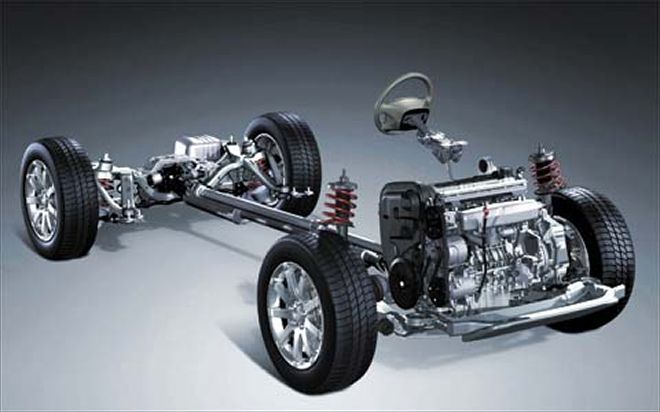
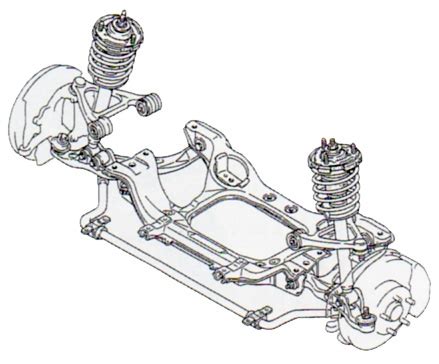
To design a system and workflow to ensure that no powertrain component could be vaulted in the PLM system without its natural frequencies being attached as attributes to the object.
In conjunction with Ford engineers a system was created to automatically create a finite element mesh, apply materials properties, and analyze the component using NASTRAN as part of the PLM submission process. The system required no manual intervention once the request to submit the object to the PLM system for 'Check-In'. All meshing, generation of the NASTRAN data deck, submission of the analysis to NASTRAN, acquisition of the natural frequencies and attachment of those frequencies as attributes to the object as it was 'Checked-In' were performed completely automatically.
By implementing an automated process, it was possible to ensure that every component in the powertrain had been analyzed to determine the base excitation frequencies. The benefit of this was that real time reports could be generated which would highlight areas of the powertrain design which needed further engineering attention to ensure the drive characteristics of the vehicle maintain a high degree of noise and comfort quality. Typical analysis times were reduced from 5 days to less than an hour in most cases.
Working closely with Ford Engineers it was possible to guide the CAD and CAE vendors to make necessary changes to their software offerings to achieve the goals of the project. Because of the high dependence on the integrity of the CAD geometry models this project contributed, significantly, to the early development of the STEP standards for geometry translation.